
Daily Dhikr of the Prophet ﷺ
Light on the tongue, heavy on the scale. These are the phrases he repeated most — count them on a living tasbīḥ.
Open the tasbīḥDhikr simply means the remembrance of God — short phrases of praise repeated throughout the day, such as SubhanAllah (Glory be to Allah), Alhamdulillah (All praise is for Allah) and Allahu Akbar (Allah is the Greatest). A well-known practice is to say each of these after every prayer, and many Muslims also keep a morning and evening set of adhkar as a kind of daily fortress. The living tasbih below lets you count as you go, with your totals tracked automatically.
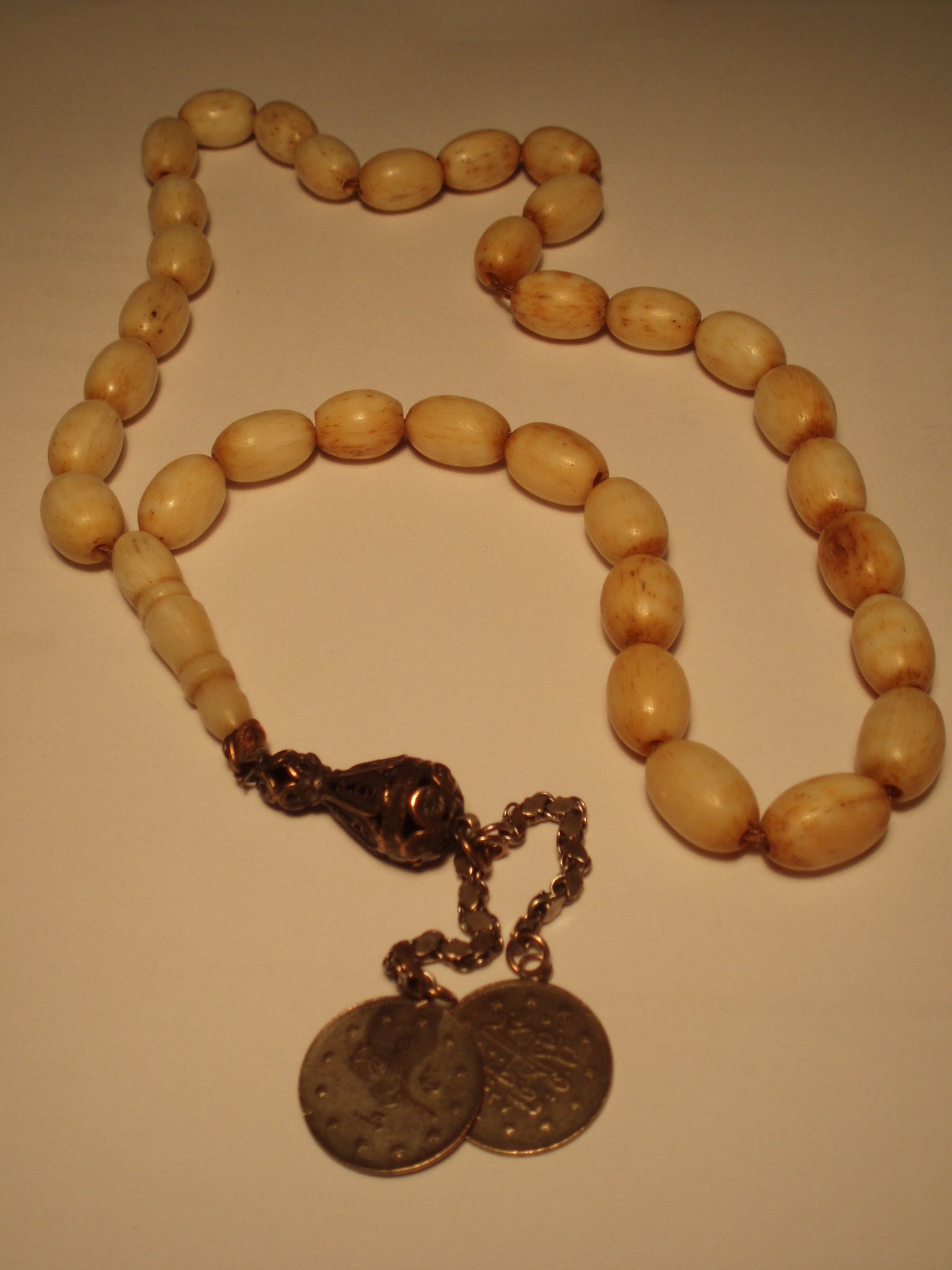 Public domain
Choose a dhikr
Authentic adhkār with their recommended counts.
Two words, heavy on the scale
Morning & evening
A daily fortress — recite your adhkār after Fajr and before sunset.
After every prayer
SubḥānAllāh 33, Alḥamdulillāh 33, Allāhu Akbar 34.
Anytime, everywhere
Walking, waiting, resting — keep your tongue moist with His name.
Common questions
What is dhikr?
Dhikr means the remembrance of God — short phrases of praise and remembrance that Muslims repeat throughout the day. The Prophet Muhammad described them as "light on the tongue, heavy on the scale." Examples include SubhanAllah (Glory be to Allah), Alhamdulillah (All praise is for Allah) and Allahu Akbar (Allah is the Greatest).
Which adhkar should I say after each prayer?
A well-known practice after every obligatory prayer is to say SubhanAllah 33 times, Alhamdulillah 33 times, and Allahu Akbar 34 times. AMAADOR ISLAM includes a built-in tasbih counter so you can keep count easily and track your daily totals.
What is a tasbih, and how does the counter work?
A tasbih (or misbaha) is a string of prayer beads traditionally used to count dhikr. The page provides a free digital tasbih: tap to count, and it tracks your totals for today and all-time with a daily streak — so you can keep your remembrance consistent without losing your place.
When is the best time to make dhikr?
Dhikr can be said anytime — walking, waiting or resting. Two especially encouraged times are the morning and evening adhkar (after Fajr and before sunset), which act as a daily "fortress," and the adhkar after each of the five daily prayers.
Are these adhkar authentic?
Yes. The phrases on this page are authentic adhkar reported from the Prophet Muhammad in trustworthy collections such as Bukhari and Muslim, each shown with its recommended count and meaning.